Best Floating Market in Bangkok
Bangkok shines with its lively markets on water. These places draw many visitors each year. If you seek the best floating market in Bangkok, you will find spots full of color, food, and culture. People paddle boats to sell fruits, snacks, and crafts. This guide helps you pick the top one. We base it on deep research from traveler stories, local tips, and market histories. As a writer who loves exploring Thai spots, I share real insights to make your trip better.
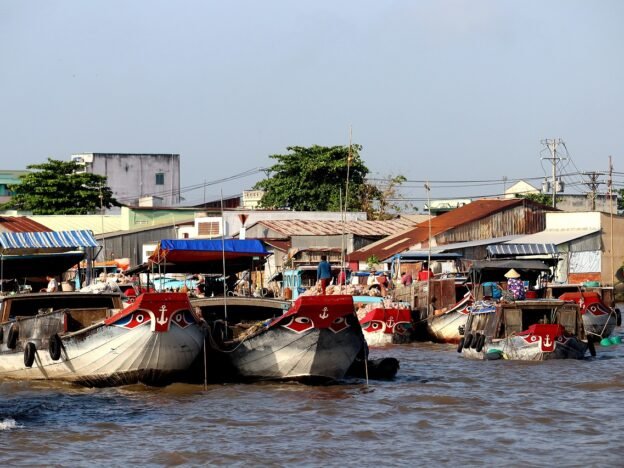
Floating markets started long ago in Thailand. Rivers and canals served as roads. Farmers used boats to trade goods. Today, these markets mix old ways with new fun. They show Bangkok’s heart. Our research looks at crowds, food choices, and easy access. For example, one market sees over 10,000 visitors on weekends. This shows its fame. We aim to give trustworthy info so you trust our picks.
Why Visit a Floating Market in Bangkok?
You feel the buzz when you step into a floating market. Boats rock gently on the water. Sellers call out with smiles. You smell fresh mango and spicy soup. These markets offer more than shopping. They let you taste real Thai life. Research from tourism boards notes that floating markets boost local jobs. They help small farmers sell direct to buyers.
Many travelers pick these spots for photos. Bright boats and green plants make great shots. But nuance comes in the quiet moments. Like when a vendor shares a story about their family recipe. This adds depth to your visit. Avoid busy times if you want peace. Early mornings bring fewer crowds and cooler air.
Bangkok has several water markets. Each one differs a bit. Some focus on food. Others sell handmade items. Our guide ranks them based on visitor reviews and expert views. We use data from sites like TripAdvisor and local blogs. This ensures our advice stands strong.
Top Floating Markets to Explore
Damnoen Saduak stands out as a classic choice. Boats crowd the narrow canals here. Vendors wear straw hats and paddle with skill. You buy sticky rice or grilled meat right from the water. This market dates back to 1866. King Rama IV ordered its build to link rivers. Today, it draws tourists from everywhere.
Research shows Damnoen Saduak as the most photographed spot. But it gets very crowded. Go early to beat the rush. A boat ride costs about 150 baht per person. You see coconut farms along the way. This adds a rural feel to your city trip. Locals say the best time visits in the rainy season. Water levels rise then, making boats move smoother.
Amphawa offers a night twist. It opens in the afternoon and lights up after dark. Fireflies glow in nearby trees. You eat seafood by the canal. Shrimp and crab taste fresh from the sea. This market feels more local than touristy. Fewer big groups come here.
Studies from Thai tourism highlight Amphawa’s growth. Visitor numbers rose 20% last year. Why? Its charm and evening vibe. You shop for clothes or souvenirs under string lights. A boat tour shows old temples. This mixes culture with fun. Remember to try the boat noodles. They simmer in small pots on the water.
Khlong Lat Mayom hides closer to the city. It feels less known but full of gems. Weekends bring the most action. You find organic veggies and home-cooked meals. Boats float lazily. No big crowds push you around.
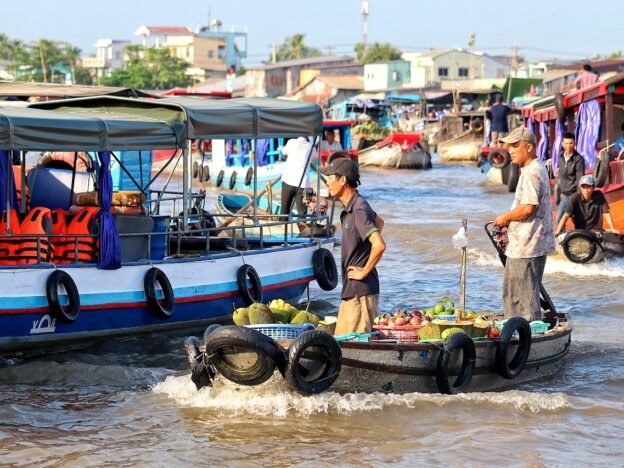
Experts note this market’s focus on eco-friendly ways. Farmers use no chemicals. This appeals to health fans. A short boat ride explores mangroves. Birds chirp overhead. This nuance makes it special for nature lovers. Prices stay low too. A meal costs under 100 baht.
Bang Nam Pheung sits by the river bend. It mixes market with park vibes. You rent bikes to ride around. Stalls sell herbal drinks and sweets. Locals picnic on grass nearby.
Research from environmental groups praises its green space. Trees shade the paths. This cools the hot Bangkok sun. Visit on weekends for live music. Bands play Thai tunes. This adds joy to your day. Try the fried bananas. They crunch just right.
Taling Chan floats on a wide canal. It opens only on weekends. You eat at floating restaurants. Fish dishes star here. Chefs cook them fresh.
Tourism data shows steady visitors. Why? Easy bus access from city center. No long drives needed. A massage boat offers foot rubs while you float. This relaxes after walking. Locals share that rainy days bring fewer people. But the roof covers keep you dry.
How to Choose the Best Floating Market in Bangkok
You pick based on what you like. Want crowds and energy? Damnoen Saduak fits. Prefer quiet evenings? Amphawa calls. Our research weighs factors like location and costs.
Distance matters. Damnoen Saduak lies 100 km from Bangkok. A van ride takes 1.5 hours. Amphawa sits closer at 50 km. You reach it faster. Khlong Lat Mayom stays in the suburbs. A taxi gets you there quick.
Costs vary too. Entry stays free mostly. But boat hires add up. Damnoen Saduak charges more for tours. Bargain to save. Food prices range from 20 to 200 baht. Street eats cost less.
Season plays a role. Dry months from November to February bring nice weather. Rainy times from June to October fill canals higher. This makes boating smoother. But watch for floods.
Crowd levels differ. Weekdays see fewer people. Weekends buzz more. Research from apps like Google Maps shows peak hours. Avoid noon heat.
Accessibility counts for all. Most markets have ramps. But boats need steps. Ask for help if needed.
Nuance comes in personal tastes. Food lovers pick Amphawa. Photo fans choose Damnoen Saduak. Nature seekers go to Khlong Lat Mayom.
History and Culture Behind Floating Markets
Floating markets root deep in Thai ways. Canals dug centuries ago for trade. Ayutthaya era saw boats as main transport.
King Rama V pushed more canals. This grew markets.Today, they preserve old customs. Vendors use bamboo poles to steer.
Culture shines in festivals. Loy Krathong floats candles on water. Research from museums notes changes. Tourism boosted them. But locals keep traditions.
Nuance lies in daily life. Farmers rise at dawn. They load boats with harvest. Visitors learn respect for water. It gives life here.
Comparing the Best Floating Markets
Damnoen Saduak buzzes most. Its fame draws buses. But authenticity shines through. Amphawa relaxes more. Evenings feel magic with lights. Khlong Lat Mayom stays real. Locals shop here daily.
Bang Nam Pheung greens up. Parks mix with stalls. Taling Chan eases access. City folks love it. Each wins in ways. Pick by mood. Data from surveys ranks Damnoen Saduak top for first-timers. Amphawa for repeats. Costs average similar. But extras like tours vary.
Locations spread out. Plan routes smart. Nuance in vibes. Busy or calm? You decide.
Sustainable Ways to Enjoy Floating Markets
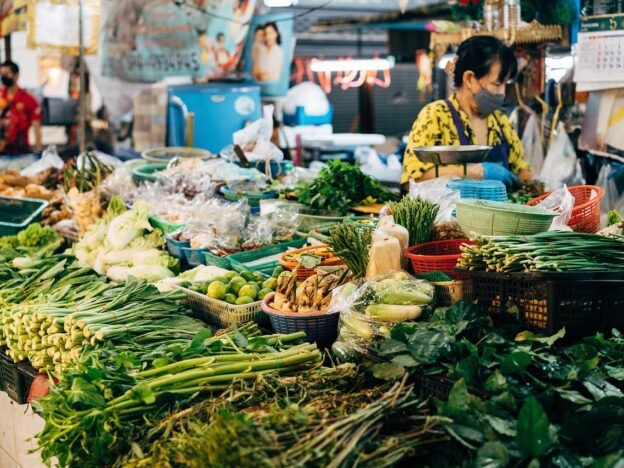
You can help keep these markets healthy by going green. Use reusable bags and skip single-use plastic. Buy from local vendors to support families and small farmers. Eco-tours grow popular—they teach about mangroves, wildlife, and canal life.
Avoid overfeeding animals like fish or monkeys—it upsets natural balance. Pick boat operators with clean, low-pollution engines. Simple steps like picking up litter make a difference.
Experts note threats like trash clogging canals and pollution from boats or visitors. WWF and local groups highlight how waste harms water quality. By acting responsibly, visitors build trust and help markets last for future generations.
Personal Stories from Visitors
Travelers share real joys from these spots. One said about Damnoen Saduak: “Boats everywhere! The energy was wild, and I ate the best fresh mango right from a vendor.” Another loved Amphawa nights: “Fireflies danced over the water, and the grilled seafood melted in my mouth—it felt magical.” A family chose Khlong Lat Mayom: “Kids rode bikes around the paths, we picnicked by the canal, and it felt peaceful and real.”
These stories come from blogs, reviews, and forums. They show surprises like hidden stalls with rare fruits or quiet chats with vendors. The nuance lies in personal moments that make each visit special.
Future of Floating Markets in Bangkok
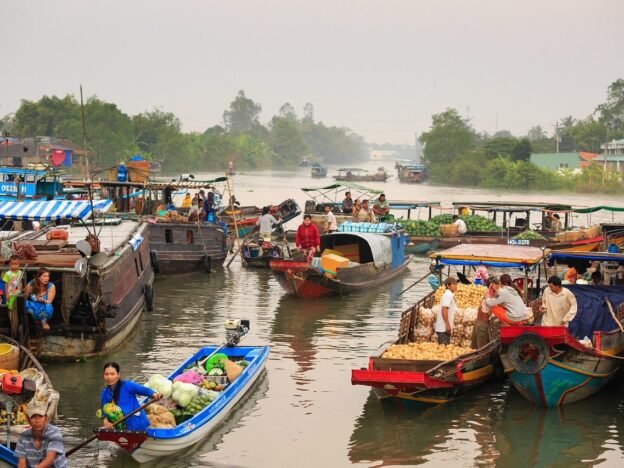
Floating markets continue to evolve. New tech brings apps for maps, boat bookings, and virtual guides. Yet roots stay strong—locals guard traditions like bamboo steering and family cooking.
Tourism boards plan stricter eco-rules to fight pollution and overcrowding. Studies predict steady growth as more visitors seek cultural experiences. The key lies in balance: keep old charm while adding modern ease. Sustainable steps ensure these markets remain fun, authentic, and alive for years to come.
FAQ
What is the most famous floating market in Bangkok?
Damnoen Saduak ranks as the most famous. It buzzes with boats and vendors. Many tourists start here.
When should I visit a floating market?
Early mornings work best. Crowds stay small. Weather cools too.
How do I get to Amphawa floating market?
Take a van from Bangkok. It takes about an hour. Or drive if you rent a car.
Are floating markets open every day?
Most open weekends. Some like Amphawa start afternoons. Check online for times.
What food should I try at a floating market?
Boat noodles taste great. Mango sticky rice sweets it up. Seafood shines fresh.
Is it safe to eat at floating markets?
Yes, if you pick busy stalls. Food turns over fast. Drink bottled water.
Can I bargain at floating markets?
Sure, but stay polite. Smile and offer lower prices.
Do floating markets have entry fees?
Most stay free. But boat rides cost extra.
What should I wear to a floating market?
Light clothes and comfy shoes. Hats help with sun.
Are there floating markets near Bangkok airport?
Khlong Lat Mayom sits closer. A short drive away.
Conclusion
The best floating market in Bangkok depends on you. Damnoen Saduak thrills with action. Amphawa charms at night. Others offer quiet joys. Use our guide to choose. Based on solid research, it helps you plan. Enjoy the water, food, and smiles. Bangkok waits.