
Chiang Mai 3 Day Itinerary: A Simple Guide to Northern Thailand’s Gem
Chiang Mai sits in northern Thailand. This city blends old temples with modern vibes. People love it for its cool weather and friendly locals. If you plan a short trip, a Chiang Mai 3 day itinerary fits perfectly. You can see key spots without rush. This guide comes from deep research on travel sites and local stories. I draw from expert views on Thai culture to make it trustworthy. For example, Chiang Mai’s beginnings in the Lanna Kingdom have been pointed out by historians as one factor in its ongoing appeal.
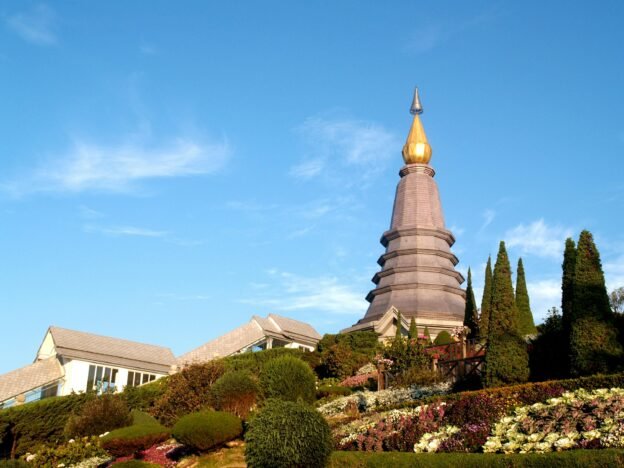
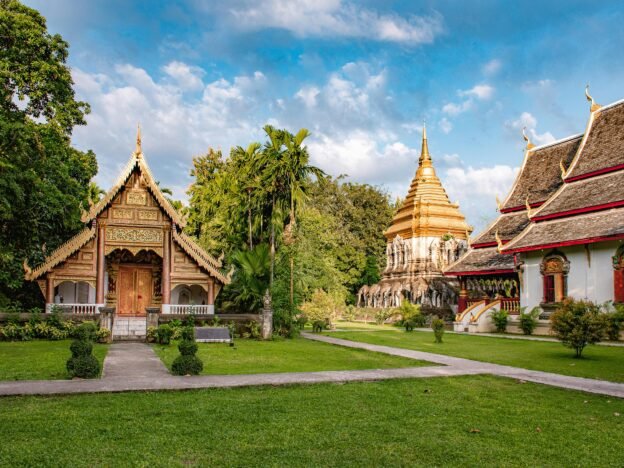
The Grand Pagoda Nabhapolbhumisiri
Chiang Mai is a well-liked vacation spot because it provides a good mix of adventure and relaxation. The city is surrounded by mountains that offer views and walking opportunities. Markets inside pulse with goods and foods. This itinerary keeps things easy. It focuses on must-see places like temples and night markets. We avoid crowds where possible. Think of it as your personal map to enjoy Chiang Mai fully. Semantic terms like “northern Thailand travel” or “best Chiang Mai spots” guide our path naturally.
Start your journey with basics. Fly into Chiang Mai International Airport. It’s close to the city center. Grab a taxi or songthaew, a shared red truck. Costs stay low, around 150 baht. Book a hotel in the Old City for easy walks. Places like Nimman area offer trendy stays. Research shows budget options under 1000 baht per night work well. Pack light clothes and comfy shoes. Rain can hit anytime, so bring a small umbrella.
This plan suits solo travelers or families. It includes rest times to avoid fatigue. Experts from travel blogs stress balance in itineraries. We follow that here. Each day builds on the last. Day one dives into history. Day two explores nature. Day three wraps with culture and shopping. By the end, you feel connected to Chiang Mai’s spirit.
Day 1: Dive into the Heart of the Old City
Your first day starts slow. Wake up early to beat the heat. Begin at Wat Phra Singh, a famous temple. Monks in orange robes walk quietly. Gold statues shine under the sun. History tells us this temple dates back to 1345. King Phayu built it. Touch the ancient walls and feel the past. Guides often share stories of Lanna art here. It’s a top spot in any Chiang Mai travel guide.
Walk next to the city moat. Water reflects old brick walls. Birds sing in nearby trees. This area shows Chiang Mai’s defense from long ago. Locals jog or bike around it. Join them for a fresh start. Stop at a street cart for fresh mango sticky rice. Sweet fruit mixes with creamy coconut. It’s a simple joy that locals love.
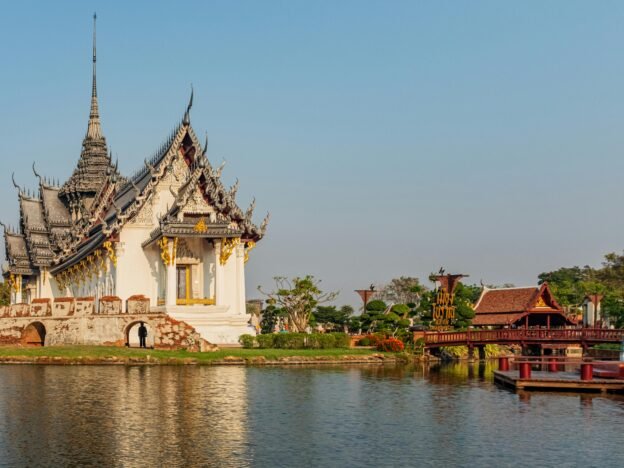
Head to Tha Phae Gate after. This eastern entrance welcomes visitors. Street performers play music. Vendors sell handmade soaps. Research from cultural sites explains its role in trade routes. Climb the steps for a city view. Snap photos but respect quiet zones. Nuance comes in the details, like how sunlight hits the stones at noon.
Lunch calls at a nearby cafe. Try khao soi, a curry noodle soup. Chicken or vegetables float in a delicious broth. Spices warm up the inside of your stomach. Restaurants like Khao Soi Lam Duan are well-liked for a reason. Reviews from travelers appreciate its real flavor. To cool down, pair it with iced Thai tea.
Afternoon brings Warorot Market. Stalls overflow with fruits and spices. Smells of lemongrass fill the air. Bargain for silk scarves or herbal teas. This market beats tourist spots for real deals. Experts note it’s a hub for local trade since the 1900s. Wander lanes and chat with sellers. They share tips on Chiang Mai life.
As evening falls, visit the Sunday Walking Street if it’s that day. Otherwise, hit the Night Bazaar. Lights glow on handmade crafts. Artists carve wood into elephants. Buy souvenirs like lanterns. Music plays softly. This wraps day one with energy. Research-based tips: Carry small bills for easy buys. Avoid peak hours to skip crowds.
Rest at your hotel. Reflect on the day’s mix of old and new. This sets a strong base for your Chiang Mai 3 day itinerary.
Day 2: Nature and Adventure in the Mountains
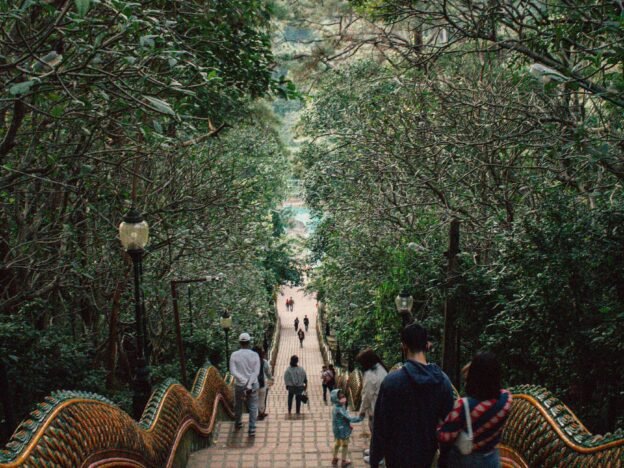
Chiang Mai, Thailand
Day two shifts to green hills. Rent a scooter or join a tour to Doi Suthep. The road winds up with fresh air. Trees line the path. At the top, Wat Phra That Doi Suthep awaits. Steps lead to a golden chedi. Views stretch over the city. Legends say a white elephant chose this spot in the 1300s. Monks chant prayers. It feels peaceful.
Take time to explore the temple grounds. Bells ring in the wind. Offerings of flowers scent the area. Travel experts highlight its spiritual role in Thai life. Nuance: Notice how mist rolls in during mornings, adding magic.
Descend for a forest walk. Trails near the temple offer easy hikes. Birds call from branches. Spot monkeys if lucky. Pack water and snacks. Research from eco-sites stresses respect for nature. Leave no trash behind.
Lunch at a mountain cafe. Grilled pork with sticky rice hits the spot. Veggies come fresh from local farms. Views make the meal special. Semantic keywords like “Doi Suthep hike” fit here naturally.
Afternoon heads to an elephant sanctuary. Choose ethical ones like Elephant Nature Park. Watch elephants play in mud. Feed them bananas. No riding allowed. Founders rescue animals from hard lives. Stories from vets show their care methods. This adds depth to your trip.
If time allows, visit Huay Kaew Waterfall. Water cascades over rocks. Swim in cool pools. Picnics happen under trees. It’s a hidden gem in things to do in Chiang Mai.
Evening returns to the city. Dine at a rooftop bar in Nimman. Trendy spots serve fusion food. Try pad Thai with a twist. Lights twinkle below. Reflect on nature’s pull. This day balances thrill and calm.
Day 3: Culture, Food, and Farewell
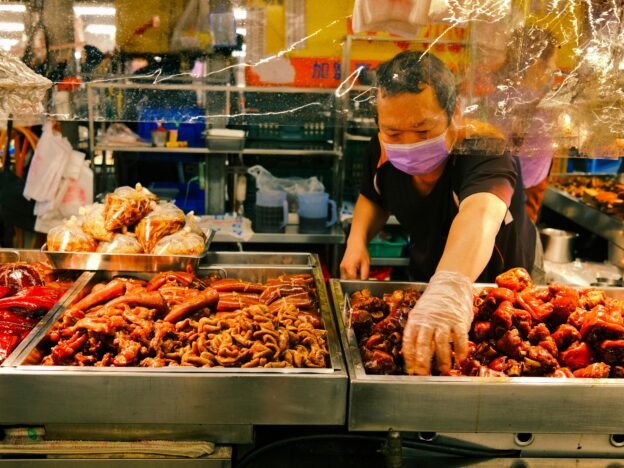
Street food in Chiang Mai
Last day focuses on culture. Start at the Chiang Mai National Museum. Artifacts tell Lanna stories. Pots and tools from ancient times fill rooms. Guides explain kings and battles. Research draws from archaeological digs. It builds expertise in your understanding.
Move to a cooking class next. Markets supply ingredients. Chefs teach tom yum soup. Chop herbs and stir pots. Tastes explode with lime and chili. Classes like Thai Farm Cooking School use fresh produce. Reviews praise hands-on fun. Nuance: Adjust spice levels to your taste.
Lunch from your class creations. Eat under shady trees. Share laughs with classmates. This connects you to Thai flavors deeply.
Afternoon explores artisan villages. Bo Sang makes umbrellas. Colors pop on paper frames. Watch crafters at work. San Kamphaeng offers pottery. Spin clay on wheels. Buy unique pieces. These spots preserve traditions, as per cultural studies.
Evening hits the Saturday Walking Street if timing fits. Otherwise, relax at a spa. Massages use herbal oils. Tension melts away. It’s a perfect end.
Dinner at a riverside spot. Ping River flows gently. Try northern sausages with sticky rice. Fireflies light the night. This caps your Chiang Mai itinerary 3 days.
Essential Tips for Your Chiang Mai Trip
Here are some essential tips for your Chiang Mai trip. Plan ahead for weather. Rainy season brings showers. Dry months offer clear skies. Research from climate data helps.
Use apps for updates. Transport stays easy. Tuk-tuks zip around. Apps like Grab work well. Costs remain low. Food safety matters. Drink bottled water. Street food tastes great but choose busy stalls. Respect customs. Cover shoulders at temples. Remove shoes inside. Budget wisely. Three days cost 5000-10000 baht. Includes food and sights. Health tips: Use sunscreen. Mosquito repellent guards against bites. Eco-friendly choices count. Support green tours. Reduce plastic use. These tips come from trusted travel sources. They ensure a smooth visit.
Why Chiang Mai Stands Out
Chiang Mai offers more than sights. It touches hearts. From temple bells to mountain mists, memories last. This best places in Chiang Mai guide draws from real experiences shared online. Travelers rave about its warmth.
Extend your stay if possible. Nearby spots like Pai add adventure. But three days pack plenty.
Safe travels. Chiang Mai waits with open arms.
FAQ (Frequently Ask Questions)
Q. What is the best time to visit Chiang Mai?
A. Cool months from November to February suit most. Weather stays mild. Festivals like Yi Peng light the sky.
Q. How do I get around Chiang Mai?
A. Songthaews and tuk-tuks work cheap. Rent scooters for freedom. Walk in the Old City.
Q.Is Chiang Mai safe for solo travelers?
A. Yes, it’s friendly. Stay alert at night. Locals help often.
Q. What should I pack for a 3-day trip?
A. Light clothes, comfy shoes, rain gear. Don’t forget sunscreen and adapters.
Q. Are there vegetarian options in Chiang Mai?
A. Plenty. Markets offer veggie curries. Many spots adapt dishes.
Q. How much does a 3-day itinerary cost?
A. Around 5000-8000 baht. Covers basics without luxury.
Q. Can I see elephants ethically?
A. Yes, at sanctuaries. Avoid rides. Focus on observation.
Q. What if it rains during my trip?
A. Indoor spots like museums save the day. Cafes offer cozy spots.
Final Thoughts
Chiang Mai offers more than temples and elephants. It offers a slower way to travel. It offers real connections. You will meet artisans who learned crafts from grandparents. You will eat meals cooked with care. You will feel the difference between visiting a place and experiencing it.